
In May 2025, South African Airways (SAA) experienced a disruptive cyberattack that briefly incapacitated its website, mobile app, and several internal systems. However, thanks to agile disaster response and continuity planning, flight operations remained largely unaffected. The distinction between disruption and catastrophe often lies in preparation and visibility. This reinforces an important lesson for businesses in South Africa: proactive management of external risk exposure is now a core operational expectation. In this post, we explore lessons from SAA’s response and how Cyber Governance Records support risk discussions by documenting publicly visible email and website security indicators.
1. Incident Overview: What Happened in the May 2025 SAA Cyberattack
According to official statements and regulatory disclosures:
- The cyberattack impacted digital touchpoints but was contained the same day thanks to swift action.
- Digital forensics and collaboration with law enforcement were initiated immediately.
- As required by South African law, the airline reported the incident to the State Security Agency (SSA), South African Police Service (SAPS), and the Information Regulator under POPIA.
While disruption was minimised, the incident highlights the importance of early threat detection and strong regulatory response frameworks.
2. Key Cybersecurity Lessons for South African Businesses
In the broader context of cybersecurity in South Africa, incidents affecting high-profile organisations often trigger increased scrutiny across supply chains and sectors.
- Speed saves: Rapid containment and activation of business continuity plans limited disruption.
- Visibility matters: Identifying unknown vulnerabilities ahead of time is crucial.
- Compliance is non-negotiable: As a National Key Point, SAA was subject to structured reporting obligations. While SMEs operate under different thresholds, POPIA still requires responsible parties to act swiftly and transparently when incidents occur.
- Proactive posture versus reactive response: Prevention strengthens resilience and reduces recovery complexity.
3. How Cyber Governance Records Support Risk Oversight
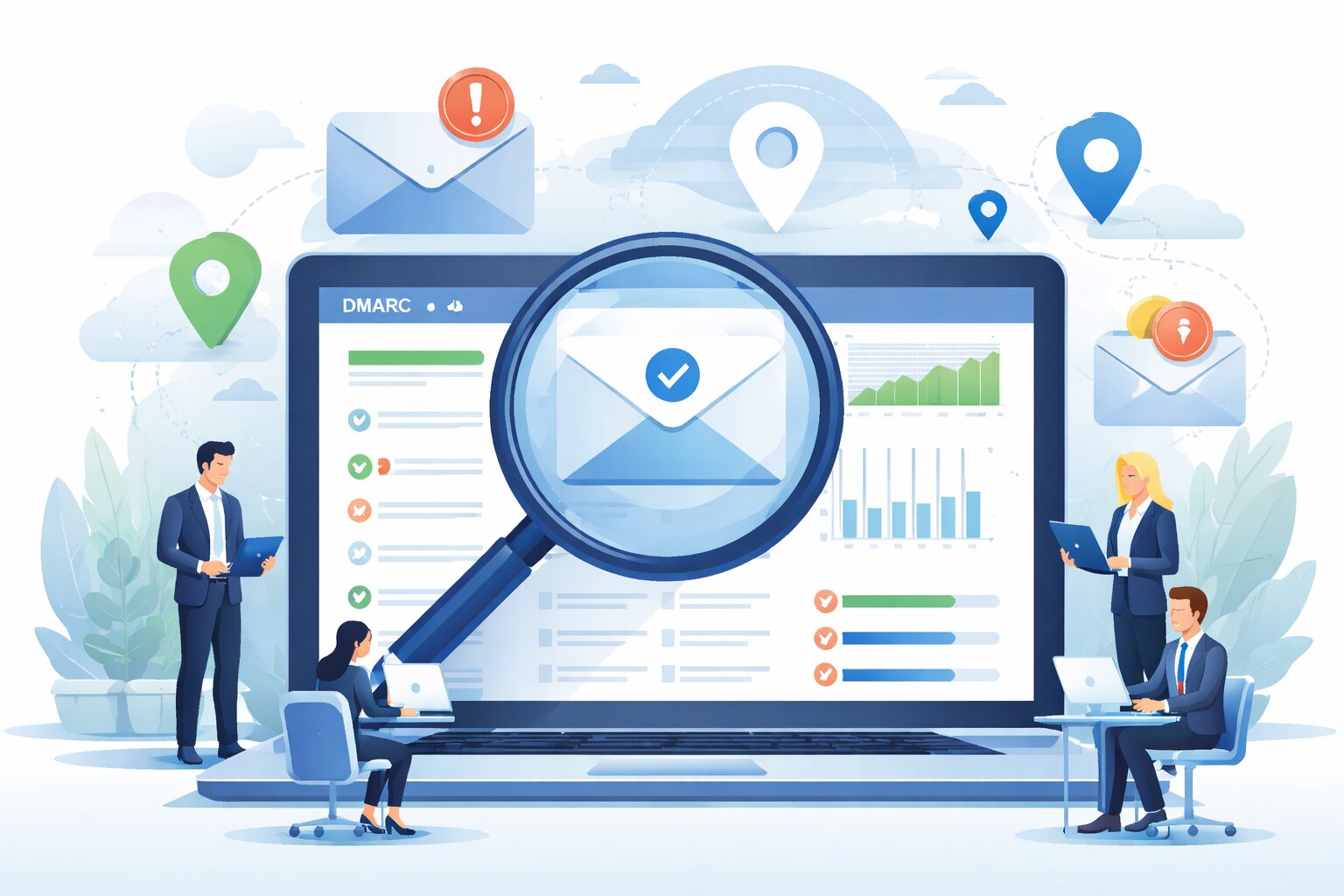
Cyber Governance Records assess publicly visible email and website security indicators without accessing internal systems.
- Clear findings: Point-in-time reports help management review external indicators and prioritise follow-up with IT providers.
- Documented evidence: Share the records with boards, insurers, brokers and business partners to support risk discussions.
These records support governance oversight. They are not vulnerability scans or security audits.
4. Concrete Application: Translating SAA’s Lessons into Action
The broader lesson for organisations is that routine external visibility assessments can identify exposures before they are discovered by adversaries.
- Proactive mitigation: Review security findings with your IT provider, prioritise fixes and track actions through to completion.
- Governance evidence: Use Cyber Governance Records to document publicly visible email and website security indicators alongside your other security assessments and incident response records.
Conclusion
The SAA cyberattack highlights the value of preparation, a coordinated response and business continuity planning. Cyber Governance Records support one part of that preparation: documenting publicly visible email and website security indicators so management can discuss findings, assign follow-up actions and retain evidence.
→ Explore our Cyber Governance Records.
Frequently Asked Questions
1. What happened in the May 2025 SAA cyberattack?
South African Airways experienced a cyberattack that disrupted its website, mobile app, and certain internal systems. The incident was contained within the same day through rapid response, forensic investigation, and coordination with regulatory and law enforcement agencies.
2. Why is the SAA cyberattack relevant to South African businesses?
It demonstrates that even large, well-resourced organisations face cyber risks. The event underscores the importance of proactive vulnerability detection, compliance readiness under POPIA, and fast incident response.
3. How do Cyber Governance Records help businesses manage cyber risk?
They provide a point-in-time record of publicly visible email and website security indicators, without accessing internal systems. Use the findings to prioritise follow-up with your IT provider and support governance discussions. They do not detect active attacks or replace vulnerability assessments.
4. What are the POPIA breach notification requirements?
Under POPIA, any organisation that suffers a data breach must notify the Information Regulator and affected individuals as soon as reasonably possible. Failure to follow these rules may lead to fines and a damaged reputation.
5. How often should businesses run vulnerability scans?
Agree a scanning schedule with your IT provider based on your systems, risk exposure and any applicable requirements. Significant system changes or newly identified threats may warrant additional checks.
Sources: